The Digital Handshake That Never Happens
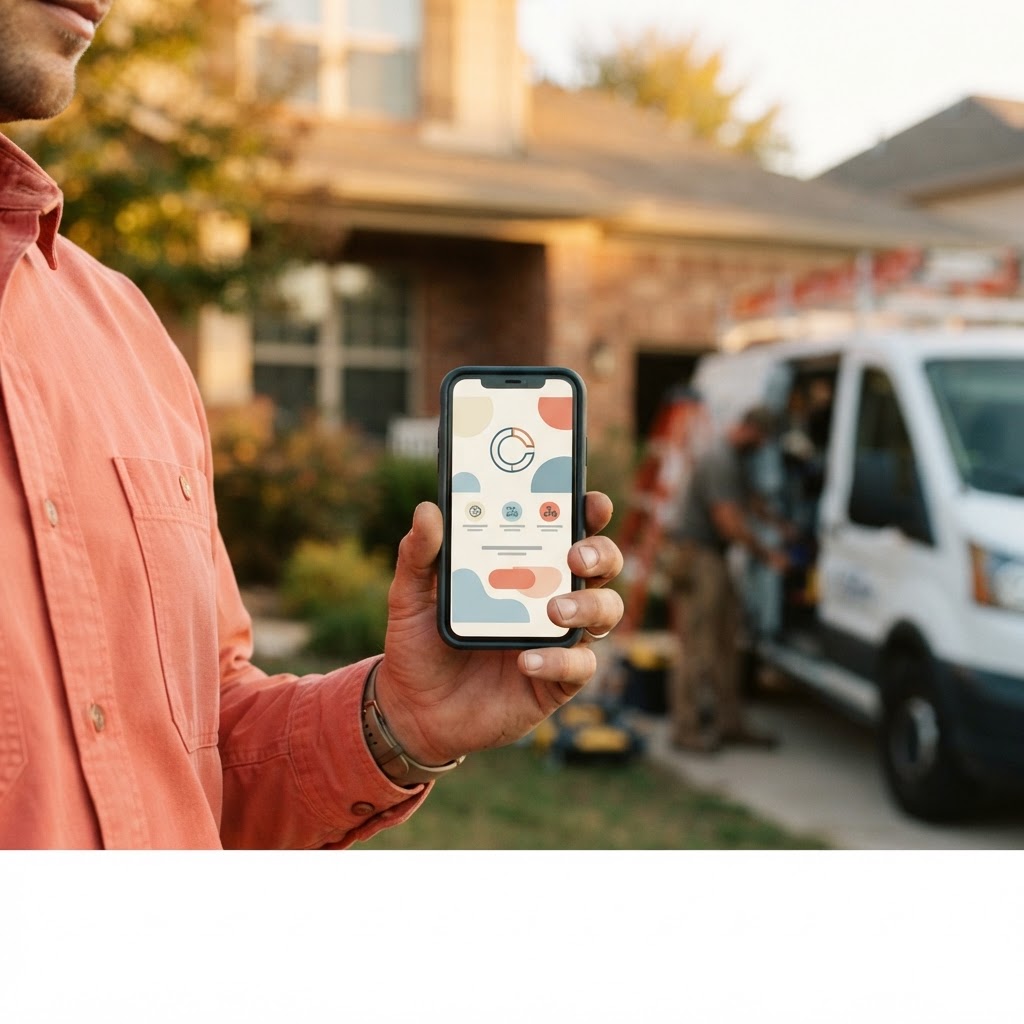
Imagine a potential customer is standing in their driveway, staring at a leaking pipe or a broken HVAC unit. They pull out their phone, type 'plumber near me' into Google, and click on your website. They expect a quick, professional solution. Instead, they are met with a site that takes six seconds to load, requires them to pinch and zoom to read the text, and features a copyright date from 2018. Within three seconds, they hit the back button and click on the next link—your competitor.
This isn't just a minor inconvenience; it is a silent revenue leak. In the world of local service businesses, your website is your digital storefront. If it looks like it hasn't been updated in a decade, customers subconsciously assume your business is either closed, unreliable, or too disorganized to handle their job. You aren't just losing a click; you are handing a paying customer to the shop down the street that invested in a modern, mobile-friendly experience.
Why Customers Judge You in Milliseconds
Research shows that users form an opinion about your business in as little as 0.05 seconds. When a customer lands on a site that is slow, glitchy, or difficult to navigate, they don't see a 'busy professional'—they see a business that doesn't care about its own image. If you don't care enough to keep your website updated, why would they trust you to care about their home or business?
Modern users have high expectations. They want to see clear service lists, easy-to-find contact buttons, and proof that you are currently active. When these elements are missing or buried under outdated design, the trust gap widens. A website that isn't mobile-first is essentially a 'Closed' sign for the 80% of customers searching from their phones.

Why Visitors Leave Your Website
Note: These figures are illustrative of common user behavior trends in local service search patterns.
The Cost of 'Good Enough'
Many owners of service businesses fall into the trap of thinking their website is 'fine' because it still technically functions. But 'fine' is the enemy of growth. If your site doesn't convert, it is a liability, not an asset. Consider the following comparison of how a stagnant site compares to a modern, conversion-focused one.
| Feature | Outdated Website | Modern Website |
|---|---|---|
| Mobile View | Requires zooming/scrolling | Responsive, thumb-friendly |
| Load Time | 5+ seconds | Under 2 seconds |
| Call to Action | Hidden or missing | Clear, 'Click-to-Call' buttons |
| Trust Signals | None or very old | Recent photos, clear reviews |
Pro Tip: Check your site on your own phone right now. If you have to pinch to read the text or if the 'Call Us' button isn't immediately obvious, you are losing jobs every single day.
Fixing the Trust Gap
You don't need a massive, expensive agency to fix this. You need a site that works for your customers. At Video-Joy, we focus on building fast, mobile-first websites that actually convert visitors into booked jobs. We understand that you don't have time for jargon—you just need a site that makes the phone ring. By focusing on clean layouts and clear messaging, we help local businesses reclaim the leads they’ve been losing to competitors.
Key Takeaways
| Point | Details |
|---|---|
| First Impressions | Customers judge your credibility in milliseconds. |
| Mobile-First | If it doesn't work on a phone, it doesn't work at all. |
| Speed Matters | Slow sites drive users directly to your competitors. |
| Trust Signals | Modern design proves you are still in business. |
Conclusion
Your website is the first thing a customer sees before they decide to trust you with their home or business. If it’s outdated, you’re essentially telling them to call someone else. It’s time to stop the leak and start turning those searchers into loyal customers. If you want to see what a modern, high-converting site looks like for your specific trade, get a free preview of your business's new website and see the difference for yourself.