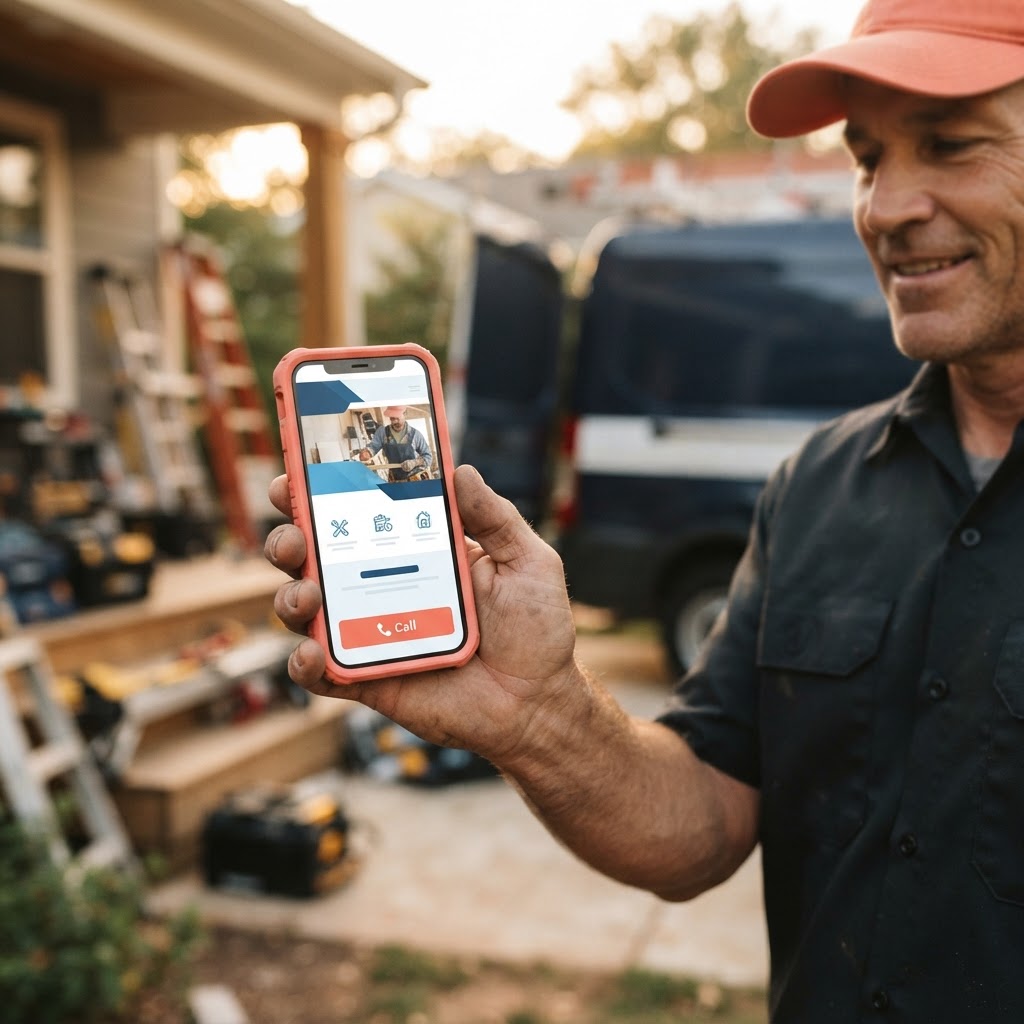
You’ve spent years building your reputation. You show up on time, you do clean work, and your customers love you. But lately, you’ve noticed a frustrating trend: your website gets plenty of visitors, yet the phone just doesn't ring as often as it should. You might be tempted to throw more money at Google Ads or social media, but the problem usually isn't a lack of traffic. It’s a lack of trust.
When a homeowner in your area has a plumbing emergency or needs a new HVAC system, they don't just call the first name they see. They do a quick digital background check. They are looking for reasons to trust you—or reasons to move on to the next contractor on the list. If your website doesn't answer their subconscious questions within the first ten seconds, they leave. It’s that simple, and it’s that brutal.
1. The Mobile-First Speed Test
Most of your customers are searching from their couch or a job site on their phones. If your website takes more than three seconds to load, you’ve already lost them. Research consistently shows that over 50% of mobile users abandon a site that doesn't load instantly. If your site feels sluggish, the homeowner subconsciously assumes your service will be, too. A fast, mobile-optimized site isn't just a technical preference; it’s the first signal that you are a modern, professional business.
2. Proof of Local Presence
Homeowners are wary of national chains or fly-by-night operations. They want to know you are actually in their neighborhood. If your website says you serve the "greater metro area" without mentioning specific cities, zip codes, or local landmarks, you are missing a massive opportunity. They want to see that you know their town. Mentioning specific service areas helps with search rankings, but more importantly, it tells the customer, "We are your neighbors, and we are nearby when you need us."
3. Real Photos of Real Work
Nothing kills trust faster than generic stock photos of smiling people in hard hats who clearly don't work for you. Homeowners can spot a stock image from a mile away. They want to see your actual trucks, your actual crew, and photos of jobs that look like the one they need done. You don't need a professional photographer; a clear, well-lit photo taken on a smartphone of a finished job is infinitely more valuable than a polished stock image.
Pro Tip: Create a dedicated gallery page for each major service you offer. If you’re a roofer, don't just have a "Projects" page; have a "Roof Replacements" page and a "Storm Damage Repair" page. This shows expertise and helps you rank for the specific terms your customers are actually typing into Google.
4. Visible Contact Information
It sounds obvious, but you would be shocked at how many contractors bury their phone number in a footer or hide it behind a "Contact Us" form. A homeowner in a panic doesn't want to hunt for your number. Your phone number should be in the header of your website, visible without any scrolling. If you offer text-to-quote or 24/7 emergency service, make that clear immediately. If they have to work to find out how to reach you, they will simply click the back button and call your competitor.
5. Trust Signals and Credentials
Before letting a stranger into their home, a homeowner needs to feel safe. Your website should prominently display your license number, insurance status, and any professional certifications (like NATE for HVAC or IICRC for restoration). These aren't just legal requirements; they are trust signals. If you have a high rating on Google, make sure those reviews are visible. If you are a member of the local Chamber of Commerce, show that badge. These small details provide the "peace of mind" that turns a visitor into a caller.
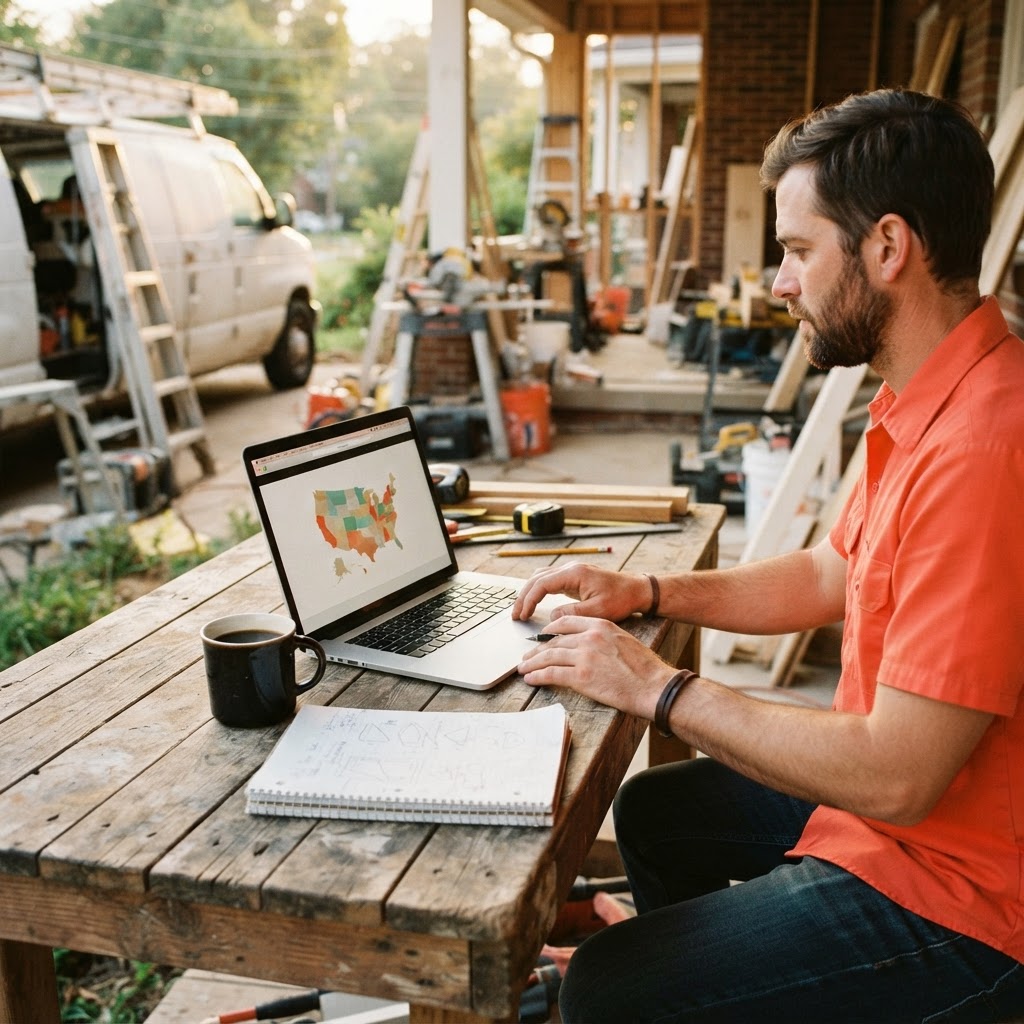
Why Visitors Leave Your Website
Key Takeaways
| Point | Details |
|---|---|
| Mobile Speed | 55% of users leave if your site takes over 3 seconds to load. |
| Local Relevance | Mention specific cities and zip codes to prove you are local. |
| Real Imagery | Use photos of your actual crew and trucks, not stock images. |
| Contact Access | Place your phone number in the header, visible without scrolling. |
| Trust Signals | Display licenses, insurance, and reviews to lower anxiety. |
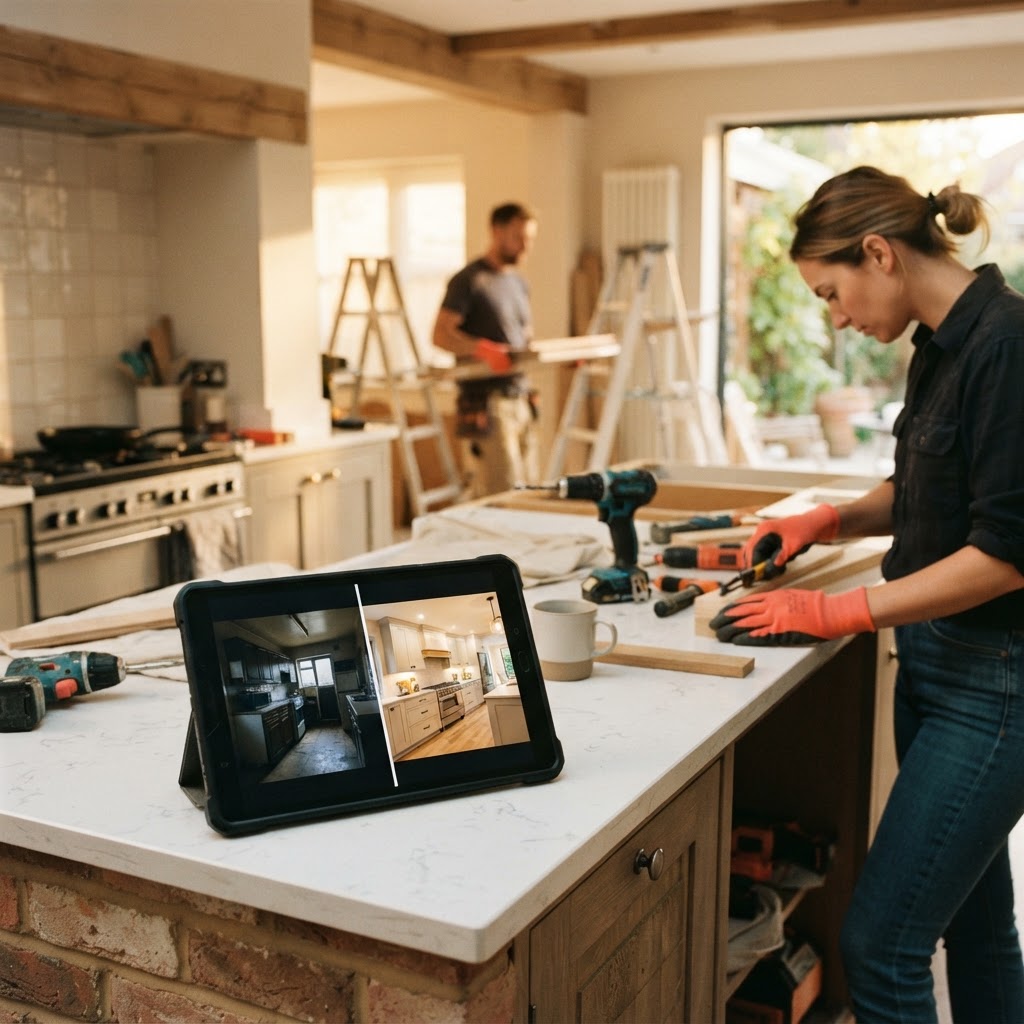
Pro Tip: Test your own website today. Open it on your phone, check if the phone number is clickable, and see if the contact form actually sends an email to your inbox. You might be surprised by what you find.
Conclusion
Your website is your digital storefront. If it’s outdated, slow, or confusing, it’s effectively telling potential customers that you aren't open for business. By focusing on these five areas—speed, local relevance, real photos, easy contact, and trust signals—you can stop the "leak" of leads and start turning more of your website traffic into booked jobs. At Video-Joy, we build fast, mobile-first websites for local businesses, and we even build a free preview of your new site before you pay a dime. You can get a free preview of your business's new website today and see exactly how we can help you win more calls.