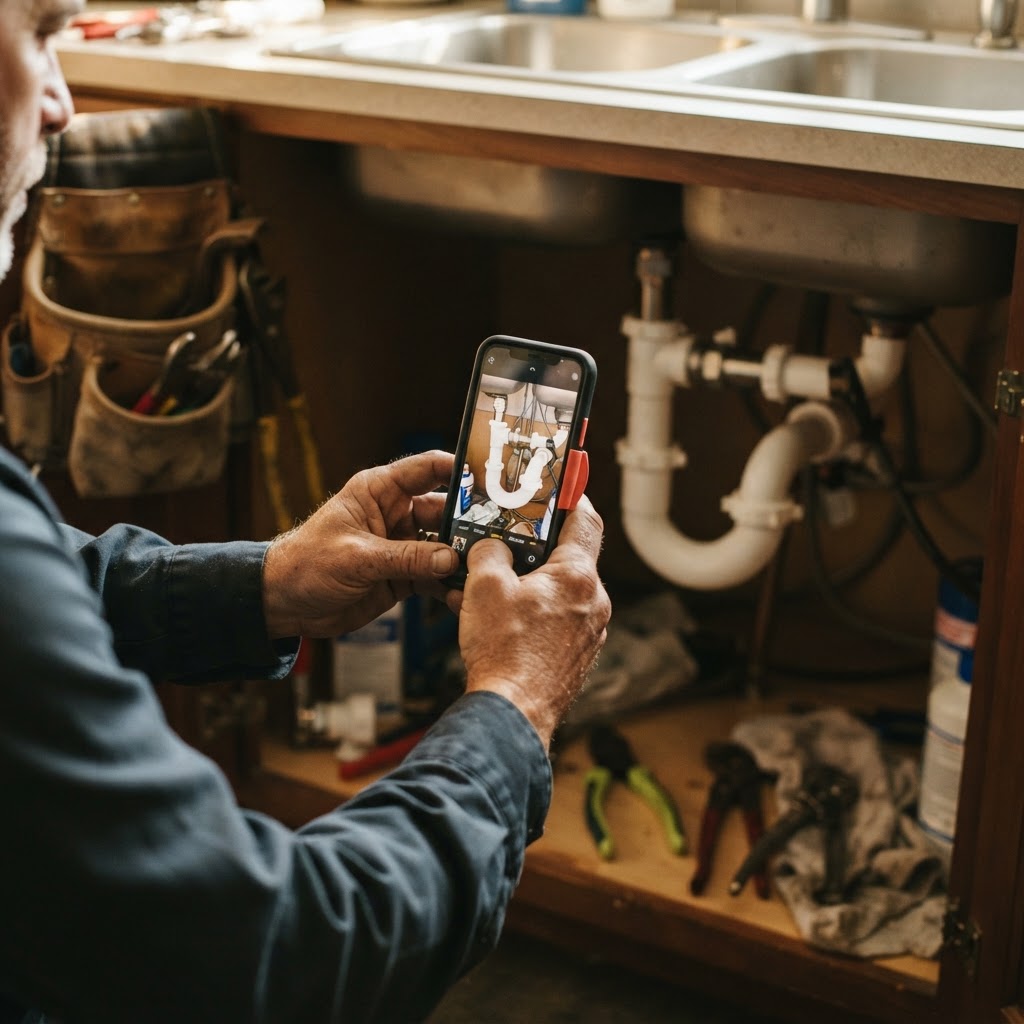
You are standing in a customer's basement, the water main is shut off, and you have two hours to finish a job that usually takes three. The last thing on your mind is pulling out your phone to film content for your company’s Instagram page. I get it. You are running a business, not a film studio, and every minute spent fiddling with lighting or angles is a minute you aren't turning a wrench.
But here is the reality check: your potential customers are looking for proof that you are the expert they need. They aren't looking for a cinematic masterpiece; they are looking for a quick, authentic glimpse into the fact that you showed up, you fixed the problem, and you didn't leave a mess behind. The good news? You can capture this type of "social proof" in under 60 seconds without ever breaking your rhythm or slowing down your crew.
The "Walk-Through" Strategy: Capture While You Inspect
Most service pros are already walking the job site before they start. You are checking for leaks, mapping out the electrical panel, or inspecting the roof decking. This is the perfect time to film. If you have your phone ready, you can record a 15-second "before" shot of the issue, a 15-second snippet of the fix in progress, and a 15-second shot of the clean, finished result.
By treating the camera as a natural extension of your inspection process, you stop seeing it as a marketing task. Instead, it becomes part of your standard documentation. Your techs don't need to be actors; they just need to be themselves, narrating exactly what they are looking at. It turns a routine assessment into content that builds massive trust with homeowners who have no idea how these systems work.
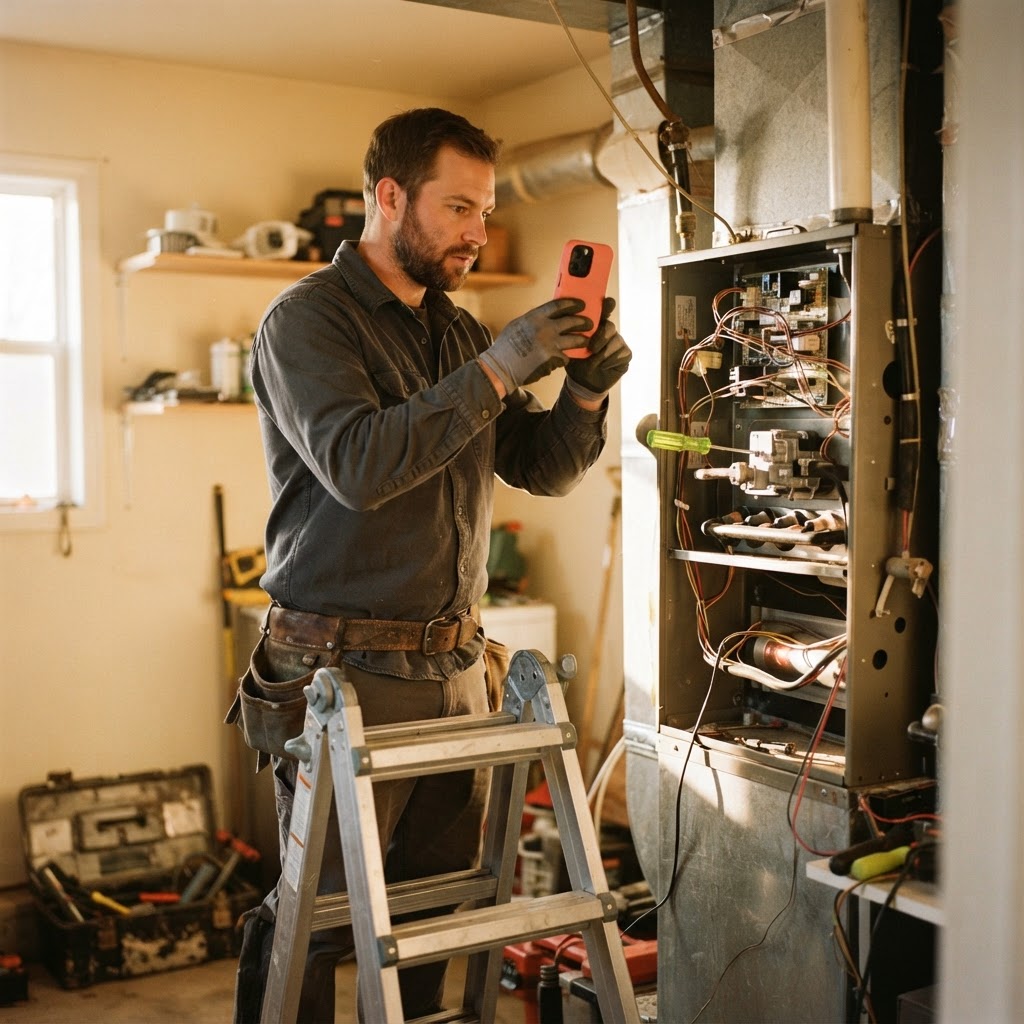
Pro Tip: Keep your phone's camera app accessible from your lock screen. Seconds matter when you're on a tight schedule, and you don't want to be fumbling with passwords while you have a ladder to climb or a part to install.
Why Quick Clips Beat Produced Ads
Homeowners are naturally skeptical of polished, over-produced advertising. When they see a video with fancy transitions and corporate voiceovers, their "sales radar" goes up. Conversely, a shaky, genuine video of a real tech explaining a job feels like a recommendation from a friend. It demonstrates that you are busy, experienced, and actively working in the community.
Trust Factor: Amateur Video vs. Professional Ads
These illustrative numbers reflect the "authenticity gap" we see across local service industries. When customers see someone in a branded polo shirt working on a real home, they associate that familiarity with reliability. They aren't looking for Hollywood; they are looking for a tech they’d be comfortable letting into their own home.
The 60-Second Workflow Checklist
To keep this efficient, create a simple checklist for your crew. If they know exactly what to grab, they won't hesitate.
| Step | Focus Area | Time Allotment |
|---|---|---|
| 1 | The Problem (Why are we here?) | 15 Seconds |
| 2 | The Process (Brief fix shot) | 30 Seconds |
| 3 | The Result (Happy customer or clean finish) | 15 Seconds |
Reducing Friction for Your Crew
The biggest barrier to filming isn't the skill—it's the friction. If you ask your technicians to "make social media content," they will think it's an extra project. If you ask them to "snap a quick clip for the dispatch log," it’s just another step in the job. Positioning is everything. By framing the video as documentation for the company record, you remove the pressure of "performing" and replace it with the utility of "recording."
We have worked with companies like a plumbing business we'll call Lopez Plumbing, who started this exact practice. They simply had their guys upload these 60-second clips to a shared folder at the end of the day. Suddenly, they had a library of content that proved they were out there, doing the work, and doing it well, without taking the techs away from their primary job of serving customers.
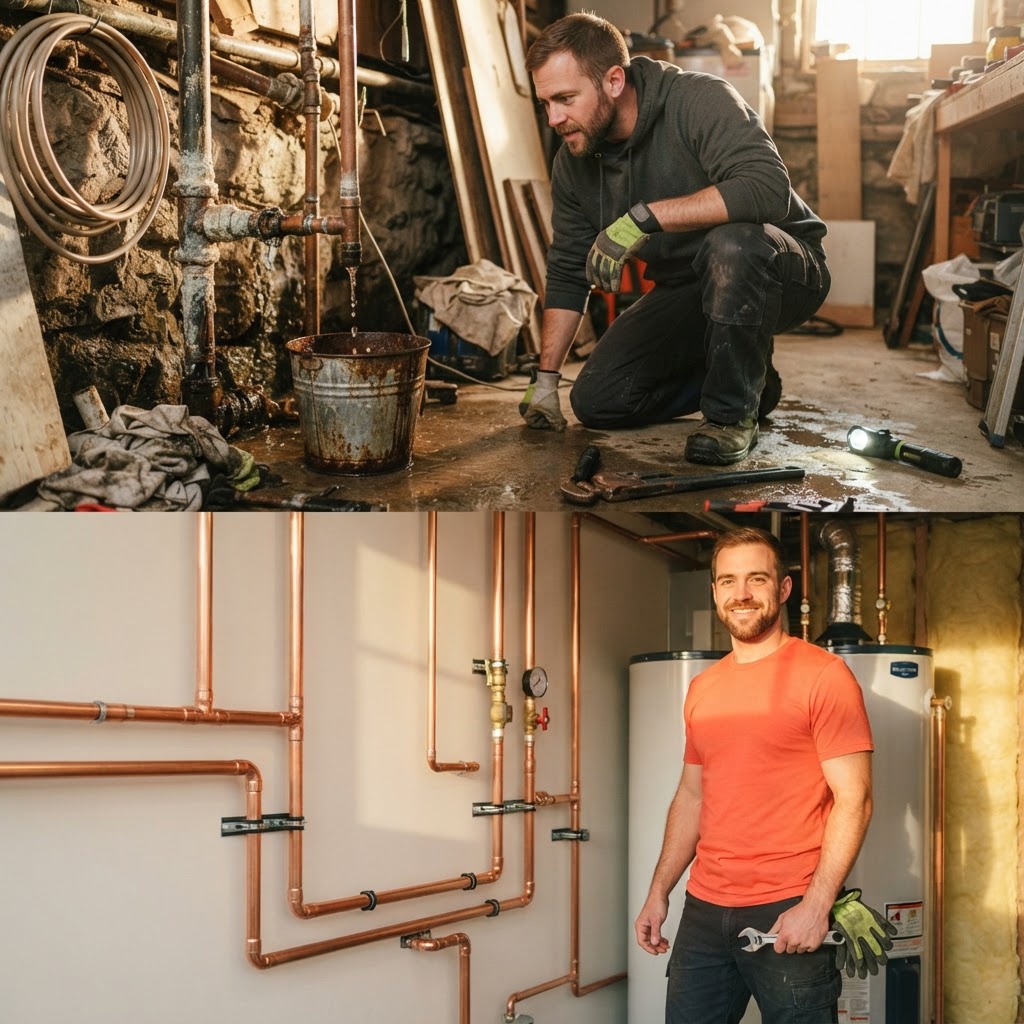
Pro Tip: Never force a script. If your tech is nervous, just tell them to point the camera and explain what they are doing as if they were talking to an apprentice. The best content is educational, not promotional.
Key Takeaways
| Point | Details |
|---|---|
| Efficiency | Integrate filming into existing inspection or cleanup routines. |
| Authenticity | Rougher, real-world footage consistently outperforms studio-quality ads. |
| Perspective | Frame filming as documentation to remove pressure from the crew. |
| Goal | Build trust by showing the work, not just telling about it. |
Conclusion
You don't need a production crew on standby to start building a reputation online. You just need to capture what you are already doing. When you provide that transparent look into your job sites, you aren't just posting videos; you are giving your customers the evidence they need to trust you with their business. Once you capture the footage, you still have to organize, edit, and post it—but if you'd rather focus on the tools, we've got you covered. See how Video-Joy grows local businesses online by handling the entire content cycle so your crew can focus entirely on the work at hand.