Why Your Church Website Needs Real Photos, Not Stock Images
The First Impression That Happens Before Sunday
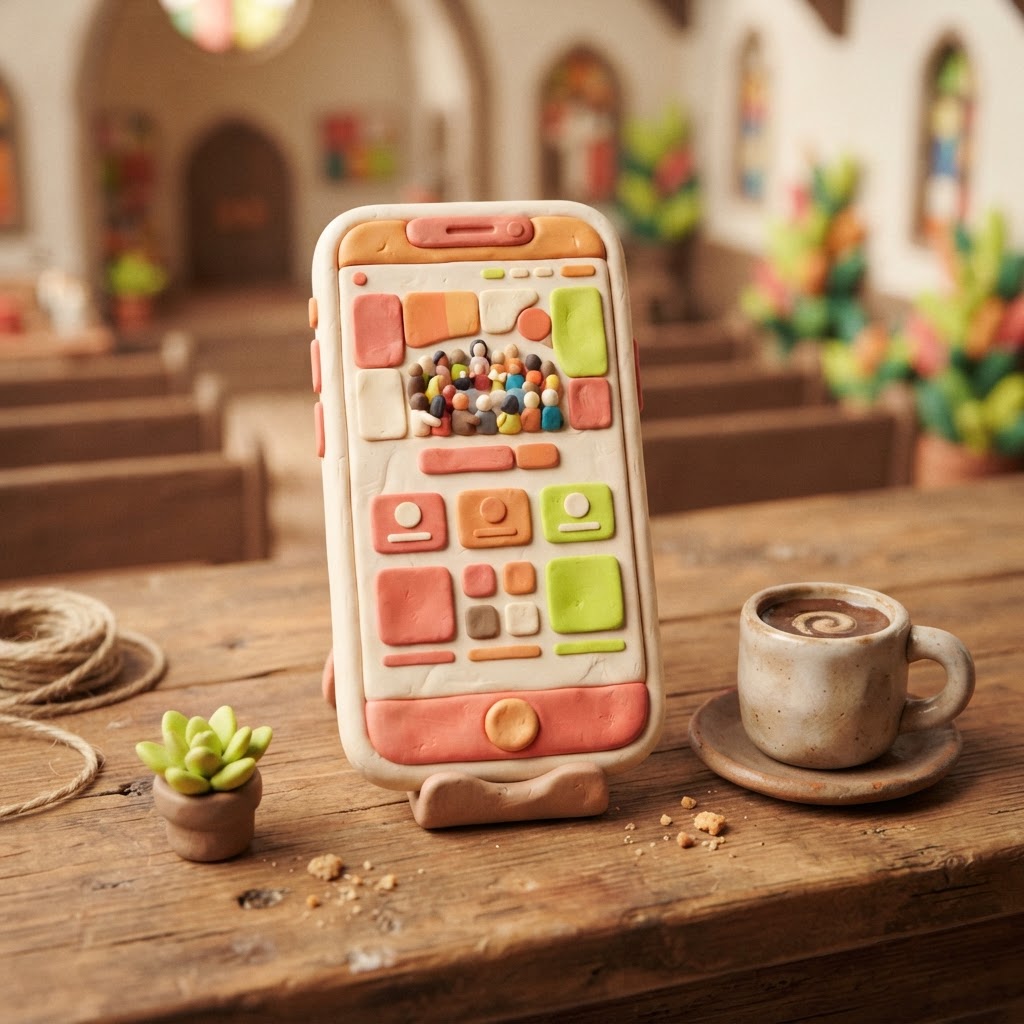
Imagine a family searching for a new church home. They type 'church near me' into Google, click on your website, and are immediately greeted by a high-definition photo of a group of people laughing over coffee. The lighting is perfect, the smiles are radiant, and the diversity is impeccable. But there is one problem: those people don't go to your church. In fact, that exact same photo is currently being used by a dental office three towns over and a local gym. When that family walks through your doors on Sunday, they aren't looking for the people in the photo; they are looking for the people they saw online. When they don't find them, the trust is broken before the first song even begins.
This is the 'Stock Photo Trap.' It is a common mistake made by well-meaning church leaders who want their website to look professional. We often think that high-quality, polished images are the key to looking 'legitimate.' However, in the context of ministry, authenticity is far more valuable than perfection. Your website is not a brochure for a product; it is an invitation to a community. If your digital front door doesn't match the reality of your living room, you are inadvertently signaling to visitors that they might not belong.
Why Authenticity Outperforms Perfection
When a visitor lands on your site, they are subconsciously asking one question: 'Will I fit in here?' They are looking for clues about your culture, your demographic, and your warmth. Stock photography, by its very nature, is designed to be generic. It is meant to be used by anyone, anywhere. When you use it, you strip away the unique personality of your congregation. Real photos, even if they aren't professionally lit or perfectly composed, tell a story that stock images never can.
Real photos show the actual faces of the people who will greet them at the door. They show the real coffee station, the real kids' ministry room, and the real way your congregation dresses. This transparency lowers the barrier to entry. It allows a nervous newcomer to mentally 'check in' to your service before they ever leave their house. When you show your actual people, you are saying, 'This is who we are, and we would love for you to be a part of it.'

Visitor Trust Levels Based on Imagery
Note: These figures are illustrative estimates based on common user experience patterns in church web design.
The Essential 'Real Life' Shot List
You don't need a Hollywood production crew to capture your church's heart. You just need a plan. Focus on the journey a visitor takes from the parking lot to the sanctuary. Here is a simple breakdown of what to capture:
| Category | What to Capture |
|---|---|
| Arrival | The building exterior, clear signage, and the main entrance. |
| Welcome | Greeters smiling, the lobby area, and the coffee station. |
| Worship | Candid shots of the congregation, not just the band. |
| Community | Small groups, kids playing, or people talking after service. |
Pro Tip: Avoid taking photos of the back of people's heads during the sermon. It feels impersonal and dark. Instead, capture the 'in-between' moments—the laughter before the service starts or the genuine conversations happening in the lobby.
When Is Stock Photography Actually Okay?
We aren't suggesting you delete every stock image you own. There is a time and place for them. If you are writing a blog post about a theological concept or a generic holiday, a high-quality stock image can be a helpful tool. The danger lies in using stock photos to represent your people, your staff, or your specific ministry events. If you are a new church plant and don't have a library of photos yet, use stock images sparingly as placeholders, but make it a priority to replace them with real photos as soon as you have the chance.

Key Takeaways
| Point | Details |
|---|---|
| Authenticity | Real photos build immediate trust with new visitors. |
| Expectation | Your website should accurately reflect the Sunday experience. |
| Accessibility | Use smartphones and natural light to capture real moments. |
| Strategy | Use stock only for abstract concepts, never for your people. |
Pro Tip: Always have a simple media release form available for members. Most people are happy to be featured if they know it is for the church website, but respecting privacy is a vital part of building a healthy community.
Conclusion: Your Story Is Worth Showing
Your church is a living, breathing community of people, and your website should reflect that vibrancy. When you swap out the generic, polished stock photos for the real, imperfect, and beautiful faces of your congregation, you stop being just another 'church near me' and start being a place where people can see themselves belonging. At Video-Joy, we specialize in building fast, mobile-first websites for churches that highlight your unique story, and we even build a free preview of your church's new website before you pay anything. If you are ready to stop hiding behind stock images and start showing the world who you really are, get a free preview of your church's new website today.