Livestreaming vs. Posting Clips: What Actually Brings New People In?

It is Sunday afternoon. You have just finished a long, meaningful morning of ministry, and now you are staring at your computer screen, wondering if anyone actually watched the livestream. You see a handful of views, mostly from your own members who were home sick. Meanwhile, you scroll through your own social media feed and see a thirty-second clip from a different church that makes you stop, smile, and think, I would love to visit that place.
This is the tension every church leader feels today. We want to be faithful to the Sunday gathering, but we also want to reach the people in our community who haven't walked through our doors yet. The question isn't just about technology; it is about stewardship. Are we using our limited time and energy in the way that actually helps a neighbor decide to visit us next Sunday?
The Difference Between Community and Discovery
To understand which strategy works, we have to distinguish between two different goals: community and discovery. Livestreaming is primarily a tool for community. It allows your shut-ins, your traveling members, and those who are sick to stay connected to the body. It is a digital extension of your Sunday morning, and for those who already know you, it is a lifeline.
However, livestreaming is rarely a tool for discovery. Think about your own habits: how often do you click on a random, hour-long video from a church you have never heard of? Almost never. Discovery happens through short, punchy, and relatable content that answers a question or provides a moment of encouragement. If you want new people to find you, you need to meet them where they are scrolling, not where they are searching for a full service.
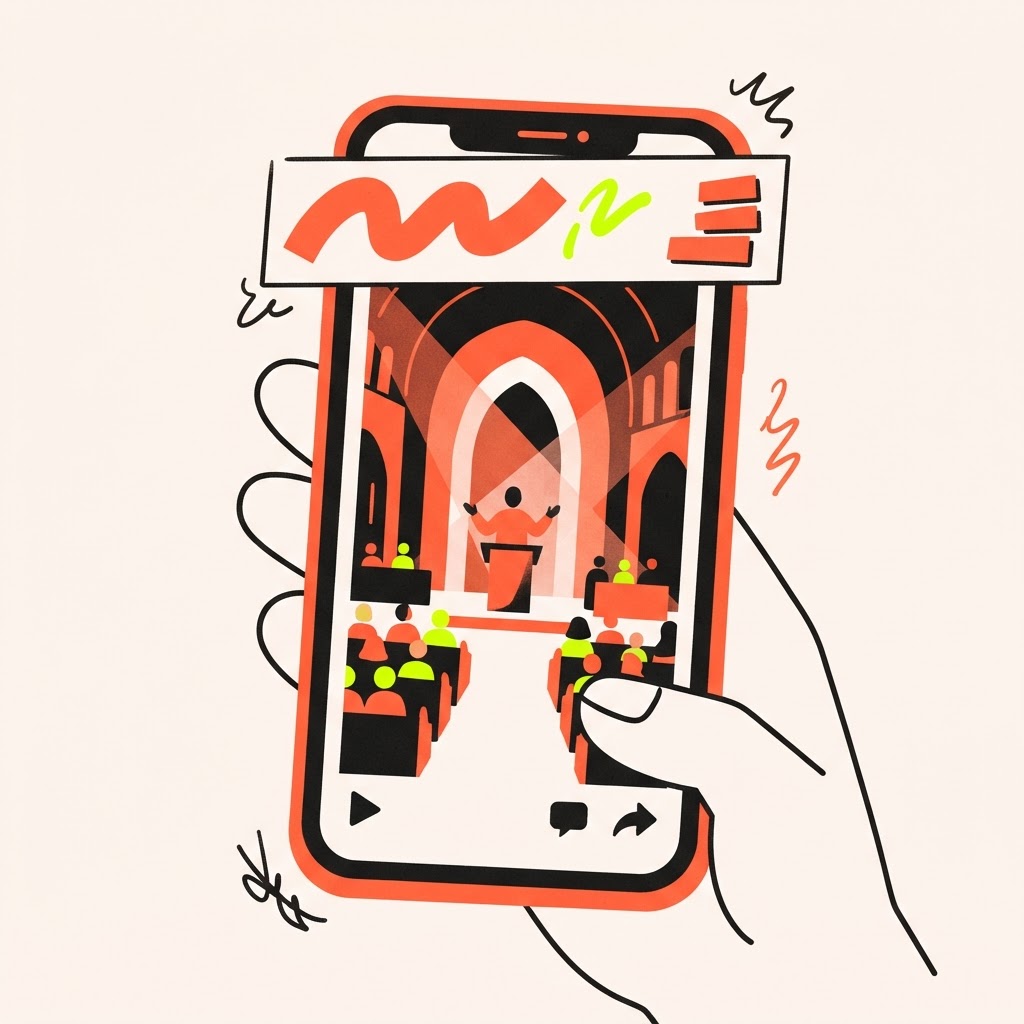
Where New Visitors Find You (Illustrative)
The Strategic Comparison: Livestream vs. Clips
Most churches try to do both, but often end up doing neither well. Here is a breakdown of how these two formats serve different purposes in your ministry.
| Feature | Full Livestream | Short Social Clips |
|---|---|---|
| Primary Audience | Existing Members | New/Prospective Visitors |
| Goal | Connection/Care | Awareness/Invitation |
| Effort Level | High (Real-time) | Medium (Editing required) |
| Discovery Potential | Low | High |
Pro Tip: If you are short on time, stop trying to make your livestream perfect and start focusing on capturing one "golden moment" from the sermon each week. That one clip is worth more for outreach than a three-camera production of the entire service.
Why Authenticity Beats Production Value
One of the biggest myths in church media is that you need a studio-quality production to reach people. In reality, the most effective content on platforms like Instagram and TikTok is often filmed on a smartphone in a hallway or an office. People are looking for a human connection, not a broadcast-quality television show.
When a pastor speaks directly to the camera about a common struggle—like anxiety, parenting, or finding purpose—it feels personal. It lowers the barrier for a stranger to feel like they know you before they ever step into your building. This is the "digital handshake" that leads to a physical visit.

Key Takeaways
| Point | Details |
|---|---|
| Know Your Goal | Livestreams serve your members; clips serve your neighbors. |
| Prioritize Clips | Short, vertical videos are the primary way new people discover churches. |
| Keep It Real | Authentic, simple videos outperform polished, high-production content. |
| Be Consistent | A simple, weekly rhythm is better than an occasional, high-effort post. |
Conclusion
You do not need to choose between caring for your members and reaching your neighbors, but you do need to be intentional about which tools you use for each. If your goal is to bring new people through the door, shift your focus toward creating short, authentic clips that share the heart of your ministry. You don't have to do this alone; Video-Joy is a done-for-you video and social media content service for churches — we show up, film, edit, and post so church staff don't have to. See how Video-Joy grows churches online.