Beyond the Livestream: How to Actually Convert Online Viewers to Guests
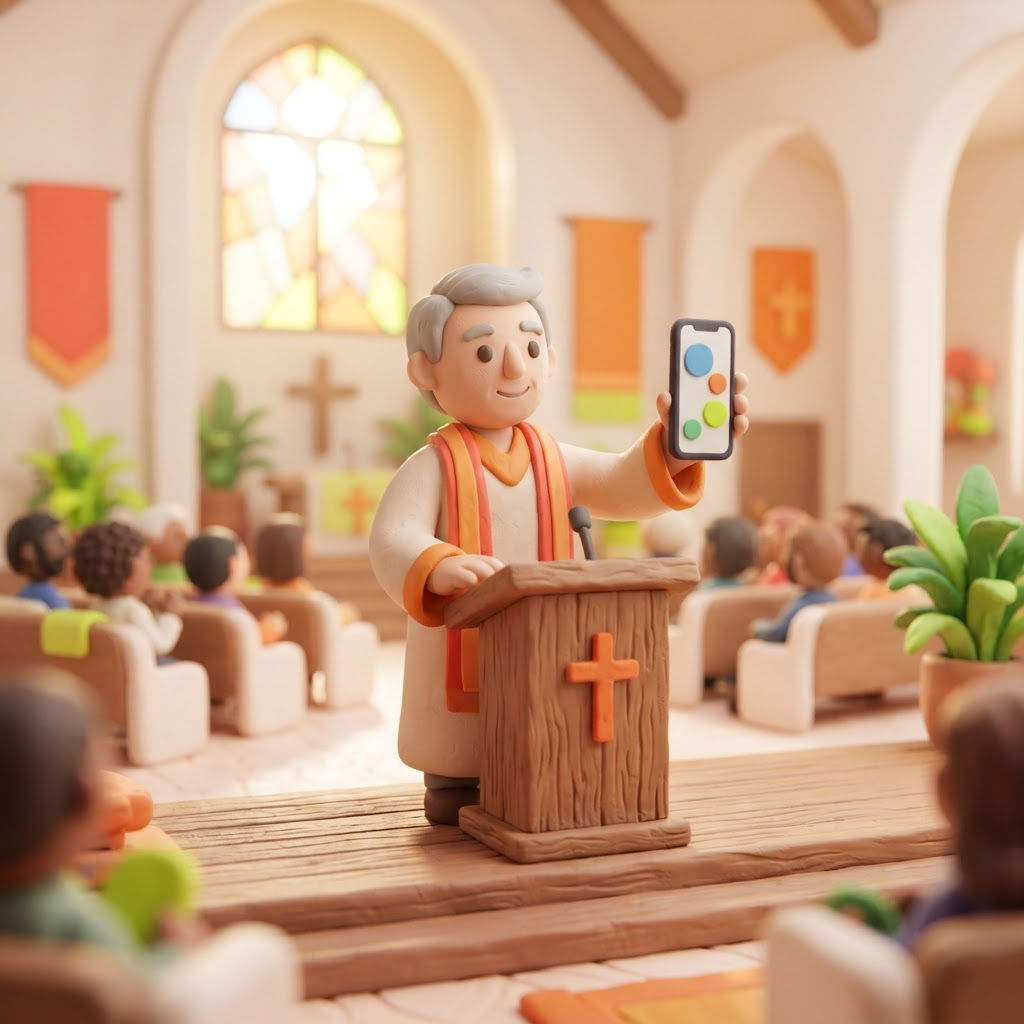
Imagine this: It is Monday morning, and you are checking the analytics for your church’s Sunday service livestream. You see a handful of views, mostly from your own members who were traveling or sick. You have spent hours setting up cameras, managing audio, and ensuring the stream didn't drop. Yet, when you look at the "new visitor" count for your physical building, the needle hasn't moved in months. It is a frustrating reality for many church leaders who feel like they are pouring their best energy into a digital void.
The question isn't whether your church should be online—it is how you are showing up. Many churches treat their social media pages like a digital archive, dumping hour-long sermons onto Facebook and hoping someone stumbles upon them. But the digital landscape has shifted. People aren't scrolling through Instagram or TikTok looking for a 60-minute lecture; they are looking for a "vibe check" to see if your church is a place they would actually feel comfortable walking into on a Sunday morning.
The Problem with the "Archive" Approach
When you post a full-length service, you are essentially creating a library for your existing members. That is a wonderful ministry tool for those who cannot attend, but it is rarely an effective "front door" for someone who has never stepped foot in your building. New visitors are intimidated by long-form content. They don't know your pastor, they don't know your worship style, and they certainly don't have an hour to invest in a stranger's sermon.
Social media algorithms are designed to keep people moving. When a user encounters a 60-minute video in their feed, they see a massive time commitment. They keep scrolling. However, if they see a 60-second clip—a powerful, punchy moment from the sermon or a warm, authentic welcome from a greeter—they are far more likely to pause. That pause is your opportunity to build trust.

Think of your social media as a trailer for a movie. You wouldn't post the entire film on YouTube to get people to buy a ticket; you would post the most exciting, emotional, and intriguing scenes. Your church content should do the same. It should offer a taste of the community, the teaching, and the atmosphere, then invite them to experience the "full feature" in person.
Livestreaming vs. Clips: A Strategic Comparison
It is not about choosing one over the other; it is about understanding the specific job each format performs. Livestreaming is for connection with your existing community, while short-form clips are for discovery by new people.
| Feature | Livestream | Short Clips |
|---|---|---|
| Primary Goal | Community Care | New Reach |
| Audience | Members/Regulars | Local Neighbors |
| Engagement | Deep/Relational | Broad/Discovery |
| Best Platform | Website/App | Instagram/TikTok |
Average Viewer Retention by Format
Note: These figures are illustrative of typical engagement trends where short-form content captures higher completion rates compared to long-form broadcasts.
Pro Tip: If you are short on time, stop trying to edit the "perfect" sermon clip. Instead, focus on "human" moments—a genuine laugh from the pastor, a clip of the worship team praying, or a 30-second "what to expect" video for first-time guests. Authenticity beats high production value every time.
The "Funnel" Strategy
A church we will call Grace Community recently shifted their strategy. Instead of just hitting "go live" on Facebook, they started filming their service with the intent to repurpose it. They take the best three-minute segment of the sermon, add captions, and post it as a Reel on Instagram. At the end of that clip, they don't just fade to black; they include a clear call to action: "Join us this Sunday at 10 AM to hear the rest of this message."
This creates a digital funnel. The clip acts as the hook, and the invitation acts as the bridge to your physical building. By moving the "heavy lifting" of the full service to your website—where people who are already interested can find it—you free up your social media to be the welcoming, accessible front porch it was meant to be.
Why Consistency Matters More Than Quality
Many churches get stuck in "production paralysis," waiting until they have the perfect lighting or a professional camera crew to start posting clips. But the people you are trying to reach aren't looking for a TV production; they are looking for a community. A shaky, authentic video of a pastor sharing a quick, encouraging thought often performs better than a highly polished, sterile video because it feels real.
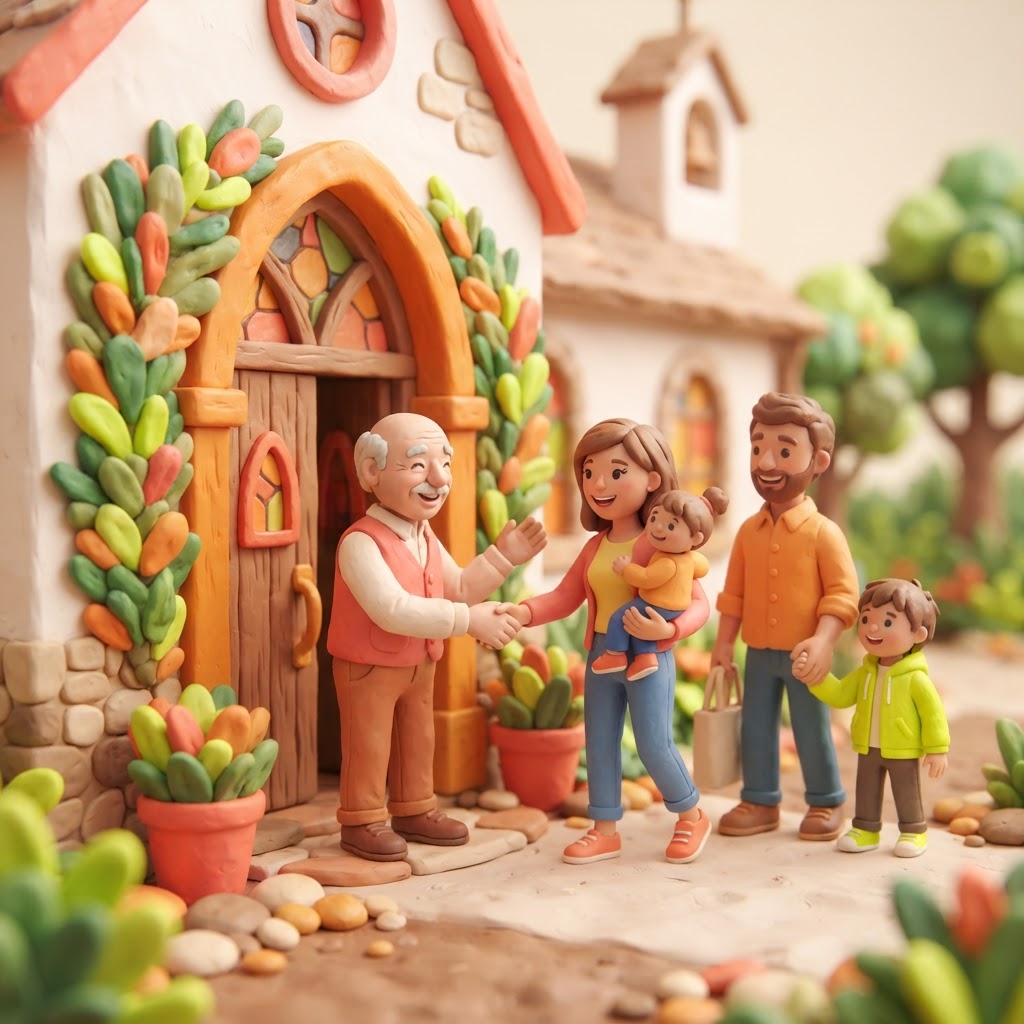
If you are a small team, don't try to do everything. Pick one platform where your local community hangs out and commit to posting three short clips a week. That consistency builds trust. When a neighbor finally decides to visit, they will already feel like they know you because they have seen your face and heard your voice on their phone all week long.
Pro Tip: Use your "Plan Your Visit" page as the destination for all your social media links. When you post a clip, don't just link to your homepage; link directly to the page that answers the questions a new guest actually has: "What should I wear?" "Where do I park?" and "What about my kids?"
Key Takeaways
| Point | Details |
|---|---|
| The Goal | Use social media for discovery, not just archiving. |
| The Format | Short clips hook new people; long streams serve members. |
| The Bridge | Always invite viewers to your website or physical service. |
| The Mindset | Authenticity is more important than high-end production. |
Conclusion
Reaching new people doesn't require a massive media budget or a professional studio. It requires a shift in perspective—moving from "broadcasting to everyone" to "inviting the neighbor." By breaking your content into bite-sized, authentic pieces, you lower the barrier to entry and give people a reason to take that first step through your doors. If you are ready to stop stressing over the tech and start focusing on the ministry, see how Video-Joy grows churches online. We handle the filming and editing so you can get back to what you do best: shepherding your people.